

7 Signs You Need New Tyres in Victoria
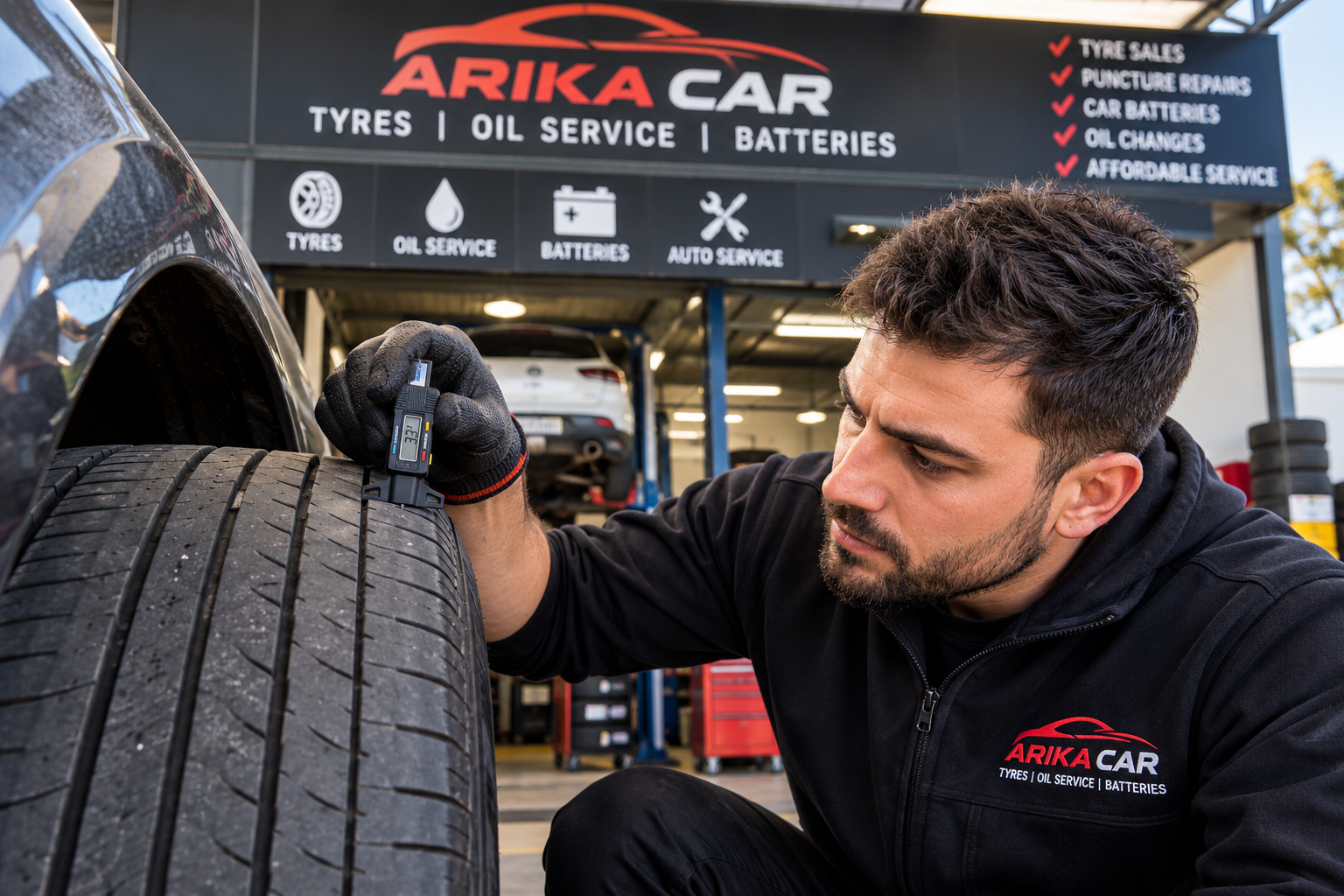
7 Signs You Need New Tyres in Victoria
Melbourne’s unpredictable weather, busy roads and constant stop-start traffic can put serious demands on your vehicle’s tyres. Knowing the signs you need new tyres can help you avoid dangerous driving conditions, unexpected breakdowns and expensive repairs.
Whether you’re navigating wet tram tracks, commuting along Hoddle Street or driving on the M1 Monash Freeway, your tyres play a vital role in braking, steering and road grip.
Unfortunately, many motorists wait until their tyres are visibly worn or fail a Roadworthy Certificate (RWC) inspection before considering replacement.
Here are seven warning signs every Victorian driver should recognise.
Quick Summary: Key Takeaways
- Tread depth below 1.5 mm: Your tyres are below the legal minimum for applicable tread grooves and must be replaced.
- Cracks or bulges: These may indicate tyre deterioration or structural damage.
- Uneven tread wear: Often linked to incorrect tyre pressure, alignment or suspension issues.
- Frequent pressure loss: Could indicate a puncture, leaking valve or damaged wheel.
- Poor wet-weather grip: Reduced traction may mean your tyres are no longer performing safely.
- Unusual vibration: Could indicate tyre damage, imbalance or another mechanical problem.
- Ageing tyres: Tyres around five to six years old deserve closer inspection, regardless of remaining tread.
Important: A tyre can be unsafe even when its tread depth is above the legal minimum.
1. Your Tyre Tread Is Below the Safe Limit
One of the clearest signs you need new tyres is insufficient tread depth.
In Victoria, passenger vehicle tyres must generally have at least 1.5 mm of tread depth across the required tread area, including the principal grooves.
However, waiting until your tyres reach the legal minimum isn’t always the safest option.
How to Check Tyre Tread Depth
The easiest and most accurate method is to use an inexpensive tyre tread depth gauge.
You can also perform a quick visual check using a 20-cent Australian coin.
- Insert the coin into a main tread groove.
- Check how much of the coin remains visible.
- Compare several positions across the tyre.
- Use a proper tread depth gauge to confirm the actual measurement.
Important: The 20-cent coin is only a rough visual reference, not a reliable measurement of the legal 1.5 mm limit.
Many tyres also have built-in tread wear indicators. When the tread becomes level with these raised bars, replacement is necessary.
For better wet-weather performance, consider replacing passenger tyres before they reach the legal minimum, particularly when the tread approaches 3 mm.
2. You Notice Cracks, Cuts or Bulges
Tyre rubber deteriorates over time due to sunlight, heat, oxygen and everyday road conditions.
Visible cracks in the sidewall or between tread blocks can indicate ageing or damage.
Look for:
- Cracking around the sidewall
- Deep cuts or exposed internal cords
- Bulges or bubbles in the tyre
- Missing pieces of rubber
- Separation between tread and tyre casing
A bulge is particularly concerning because it may indicate internal structural damage.
Safety tip: Never continue driving on a tyre with a suspected structural bulge. Arrange professional assistance and replacement.
Melbourne drivers frequently encounter potholes, raised kerbs and uneven road surfaces that can damage tyre sidewalls.
Even a tyre with plenty of tread remaining may require replacement after a significant impact.
3. Your Tyres Are Wearing Unevenly
Uneven tyre wear is another important warning sign.
If one edge of your tyre is wearing faster than the other, something may be affecting how the tyre contacts the road.
Common Types of Uneven Wear
- Inner-edge wear: May indicate incorrect wheel alignment or suspension problems.
- Outer-edge wear: Can result from alignment issues or repeated hard cornering.
- Centre wear: Sometimes associated with excessive inflation pressure.
- Both shoulder edges worn: Often associated with underinflation.
- Patchy or cupped wear: May indicate suspension, balancing or other mechanical issues.
These patterns are clues rather than definitive diagnoses.
How Often Should You Rotate Your Tyres?
For many passenger vehicles, tyre rotation every 10,000–12,000 km can help distribute wear more evenly.
However, always follow the vehicle manufacturer’s recommendations, particularly for directional tyres, staggered wheel sizes and certain AWD vehicles.
At Arika Car Tyres & Batteries, we can inspect tyre wear and recommend suitable replacement options.
Where wheel alignment is required, we can recommend a nearby specialist.
4. Your Tyres Keep Losing Air Pressure
If you regularly need to inflate the same tyre, don’t ignore the problem.
Slow pressure loss can be caused by:
- Nails, screws or other road debris
- A leaking tyre valve
- Poor sealing between the tyre bead and wheel
- Wheel corrosion or damage
- An existing puncture repair that is leaking
Driving with low tyre pressure increases heat build-up and can damage the tyre internally.
It may also increase fuel consumption and reduce steering stability.
Can a Slow Puncture Be Repaired?
Sometimes, yes.
A small puncture in the suitable tread repair area may be repairable after the tyre is removed and inspected internally.
However, sidewall damage, significant internal deterioration or driving while severely underinflated may make the tyre unsuitable for repair.
If you’re searching for puncture repair Melbourne, Arika Car offers professional tyre inspections and puncture repair services in Greensborough.
Never assume a tyre is safe simply because it holds air after inflation.
5. Your Car Has Less Grip on Wet Roads
Melbourne is famous for experiencing four seasons in one day.
Sudden showers, cold mornings and slippery road surfaces make tyre condition particularly important.
As tyre tread wears down, its ability to disperse water can decrease.
This increases the risk of aquaplaning, especially when travelling through standing water.
Warning Signs of Reduced Grip
- The car feels less stable on wet roads.
- Braking distances seem longer.
- Traction control activates more frequently than usual.
- The wheels spin more easily when accelerating.
- Steering feels less predictable in heavy rain.
Wet tram tracks can also be slippery, even with good tyres.
If your tyres are approaching 3 mm of tread, consider whether early replacement would improve your wet-weather safety.
Drivers looking for tyre sales Melbourne should consider wet-grip performance, not just the lowest purchase price.
6. You Experience Unusual Vibration or Noise
Your vehicle should generally feel smooth when travelling at normal road speeds.
New vibrations, unusual tyre noise or steering wheel shaking can indicate a problem requiring inspection.
Possible causes include:
- Wheel imbalance
- Irregular tyre wear
- A bent or damaged wheel
- Internal tyre damage
- Suspension or steering faults
Not every vibration means you need new tyres.
Sometimes, wheel balancing resolves the issue without replacing the tyres.
However, a tyre with internal separation, structural damage or severe irregular wear may need immediate replacement.
Practical advice: If vibration suddenly appears after hitting a pothole, have the wheel and tyre inspected promptly.
At Arika Car, we provide professional tyre fitting and wheel balancing to help keep your vehicle driving smoothly.
7. Your Tyres Are Getting Too Old
Tyre age matters, even when the tread still looks acceptable.
Over time, rubber compounds can harden and deteriorate, potentially affecting grip and structural integrity.
For many vehicles, tyres around five to six years old should receive closer professional inspection.
Age alone does not automatically make every tyre unsafe at five or six years. Condition, storage, usage and manufacturer recommendations all matter.
How to Find Your Tyre’s Manufacturing Date
Look for the four-digit manufacturing date code on the tyre sidewall, usually at the end of the DOT identification marking.
For example:
2522 = Week 25 of 2022
That means the tyre was manufactured during the 25th week of 2022.
If your tyres show cracking, hardening or other deterioration, they may require replacement regardless of their age.
Tyres approaching ten years from manufacture should generally be replaced as a precaution, even if they appear serviceable, subject to any earlier manufacturer recommendation.
Repair or Replace: What’s the Better Choice?
Not every damaged tyre needs replacing.
A professional inspection can help determine whether a repair is safe and economical.
| Tyre Condition | Recommended Action |
|---|---|
| Small puncture in a suitable tread area | Professional repair may be possible |
| Sidewall puncture or structural damage | Replace tyre |
| Tread below legal minimum | Replace tyre |
| Slow leak from a valve | Valve repair or replacement may solve it |
| Severe cracking or bulging | Replace tyre |
| Uneven wear with adequate remaining tread | Inspect alignment, pressure and suspension |
| Internal damage from driving underinflated | Replace tyre |
A proper puncture repair involves checking the tyre internally and using an appropriate repair method.
At Arika Car, we focus on practical, honest recommendations. If a tyre can be repaired safely, replacement isn’t automatically necessary.
However, when safety is compromised, fitting a suitable new tyre is the responsible choice.
Choosing the Right Replacement Tyres in Melbourne
Once you’ve recognised the signs you need new tyres, the next step is choosing the correct replacements.
Different vehicles and driving habits require different tyre characteristics.
Budget vs Premium Tyres
Budget tyres can offer good everyday value when they meet applicable Australian requirements and suit your vehicle.
Premium tyres may offer advantages in wet braking, road noise, comfort or tread life, depending on the model.
When comparing tyres, consider:
- Correct tyre size and load rating
- Suitable speed rating
- Wet-weather braking performance
- Road noise and comfort
- Driving distance and conditions
- Overall value, including fitting and balancing
For Melbourne drivers covering long distances on the Monash Freeway, good wet-weather performance and durability may be particularly valuable.
For occasional suburban driving, a suitable budget tyre may provide an economical solution.
The best tyre is one that matches your vehicle, driving needs and budget.
Don’t Forget Other Essential Vehicle Maintenance
Tyres are only one part of keeping your vehicle reliable.
Regular servicing can help identify problems before they become expensive.
At Arika Car Tyres & Batteries, we also provide:
- Car battery replacement Melbourne: Battery testing and replacement to help prevent unexpected starting problems.
- Engine oil change Melbourne: Routine oil changes using suitable oil specifications.
- Wheel balancing: Helping reduce vibration and improve driving comfort.
- Puncture repairs: Professional assessment and repair where safe.
- Affordable tyre and auto service: Practical maintenance solutions for everyday Melbourne motorists.
Cold winter mornings can expose weak batteries, while Melbourne’s busy stop-start traffic makes regular vehicle maintenance particularly important.
Frequently Asked Questions
1. What is the legal minimum tyre tread depth in Victoria?
For most passenger vehicles, the minimum required tyre tread depth is 1.5 mm across the relevant tread area. Tyres must also be free from other defects that make them unsafe. Consider replacing tyres earlier if wet-weather grip has deteriorated.
2. How many kilometres do car tyres usually last?
Many passenger tyres last approximately 40,000–60,000 km, but actual life varies significantly. Tyre quality, driving habits, inflation pressure, wheel alignment and road conditions all affect longevity.
3. Can I repair a tyre with a nail in it?
A nail puncture may be repairable if it is within the suitable tread repair area and the tyre has no significant internal damage. A professional must inspect the tyre before confirming whether repair is safe.
4. Should I replace all four tyres at once?
Not always. Replacement depends on tread condition, tyre compatibility and vehicle requirements. AWD vehicles may have stricter limits on differences in tyre circumference, so always follow the manufacturer’s recommendations.
Need New Tyres in Melbourne? Visit Arika Car Tyres & Batteries
Recognising the signs you need new tyres early can help protect your vehicle, improve road safety and avoid unnecessary repair costs.
Whether you need one replacement tyre, a complete set, puncture repair or routine vehicle maintenance, our team is ready to help.
ARIKA CAR TYRES | OIL SERVICE | BATTERIES
Location: Greensborough, Melbourne, Victoria
Phone: 0426 647 797
Our Services:
- New tyres for passenger cars, SUVs, 4WDs and commercial vehicles
- Professional tyre fitting and wheel balancing
- Puncture inspections and repairs
- Car battery testing and replacement
- Engine oil changes and light mechanical services
We offer affordable tyre options and can help source suitable premium brands.
Call before visiting to confirm tyre availability, or message us with your tyre size for a quote.
Arika Car Tyres & Batteries – Practical advice, reliable service and competitive tyre prices in Melbourne.





Premium Tyres Batteries Oils
buget tyre ,midrange tyre ,Premium tyres,all terrain,mud terrain, high way terrain,passenger tyre, high-quality oils, and reliable batteries,batteries, replacement,battery, TYRE Shop,TYRE,
PUNCTURE REPAIR,OIL SERVICE,GREENSBOROUGH MELBOURNE VICTORIA
Copyright 2025 © Arikatyre. All right reserved.
